Drainage in Wagga Wagga
- Free quotes with clear, upfront pricing every time.
- Fully mobile service across Wagga Wagga and surrounds.
- Over 11 years of trusted plumbing experience.
Get A Quick Quote
Thank you for contacting Beaumont Plumbing.
We will get back to you as soon as possible.
Oops, there was an error sending your message.
Please try again later.
EXPERIENCED PLUMBERS
Wagga Wagga Drainage
Poor drainage can lead to serious issues like flooding and structural damage. At Beaumont Plumbing, we provide tailored drainage solutions designed to protect your property. Based in Wagga Wagga and servicing surrounding areas like Junee, Griffith, Tumut, Albury, and Cootamundra, we offer professional drainage repairs, pipe relining, upgrades, and installations that meet local building codes and site-specific needs.
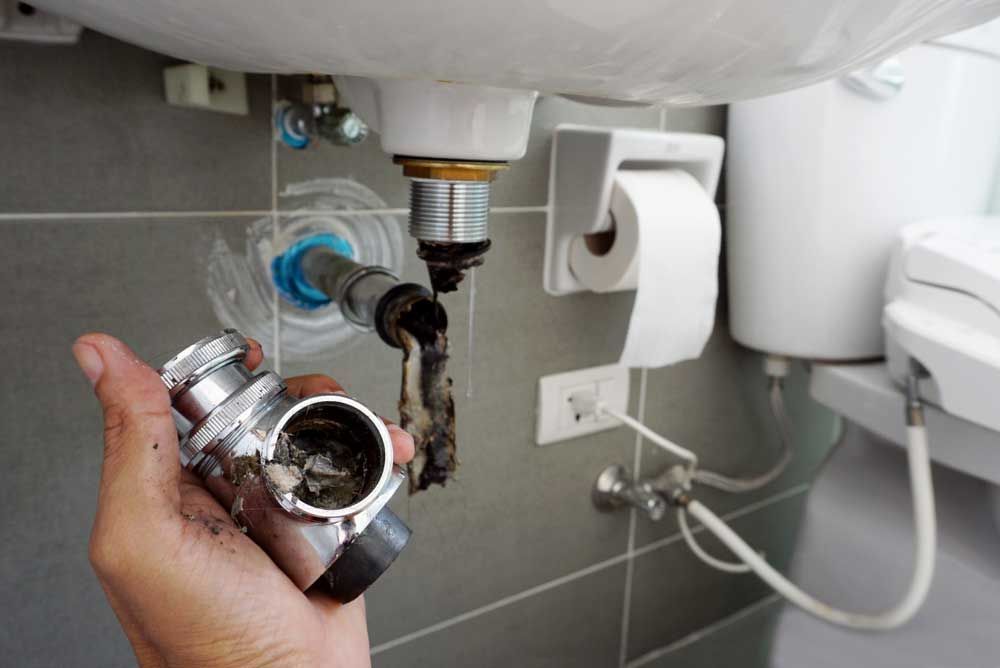
Whether you’re dealing with pooling water, rising dampness, or stormwater not draining properly, we'll assess the cause and provide a long-lasting fix. From trenching and downpipe connections to stormwater pits and surface drainage systems, we take a methodical approach backed by over 11 years of experience. We also provide CCTV drain inspections to locate hidden issues in underground pipes.
If you’ve noticed
blocked drains or drainage problems around your property, don’t wait for it to get worse—call
0401 792 215 for expert help today.
Prevention, Protection, Performance
Custom Drainage Solutions
Every property is different, and effective drainage starts with a detailed understanding of how water flows across your site. We assess key factors like soil type, land gradient, and existing infrastructure to design solutions that manage stormwater safely and efficiently. This can include installing surface grates and underground piping, adjusting fall levels, or integrating new drainage with your current plumbing. Our goal is to create systems that solve your current issues and perform in all conditions.
At Beaumont Plumbing, we focus on delivering long-term results. We’re transparent with our pricing and committed to doing the job right. Whether it’s a residential backyard or a commercial site, you’ll get practical advice and high-quality workmanship every time. Ready to improve your drainage? Contact today and let’s get to work.
FAQs
All You Need To Know
What are the signs of poor drainage around a house?
Common signs of poor drainage include pooling water near the foundation, soggy or uneven lawns, water stains on internal walls or floors, and mould or mildew in basements or underfloor areas.
You might also notice overflowing gutters, erosion around your yard, or a strong musty smell indoors. Over time, poor drainage can weaken structural supports, cause subsidence, and lead to costly repairs. Early identification of these symptoms is key to preventing long-term property damage and maintaining proper water flow away from the home.
How do I improve drainage in my yard?
Improving drainage in a yard often requires a combination of grading, proper water redirection, and installation of drainage systems. This may involve reshaping the land to slope away from your home, adding gravel or French drains, installing surface grates or catch basins, and connecting downpipes to stormwater drains.
In some cases, poor soil absorption or heavy clay content may require subsoil drainage or a full redesign. It's important to assess the source of the water problem before deciding on a solution, as incorrect fixes can make the issue worse.
What is the difference between stormwater and sewer drainage?
Stormwater and sewer drainage are two distinct systems with different purposes. Stormwater drainage collects and channels rainwater from roofs, driveways, and yards into the council’s stormwater system or a legal point of discharge. This system is designed to prevent flooding during rain events.
Sewer drainage, on the other hand, carries wastewater from toilets, sinks, and appliances to the sewer treatment network. It’s essential that these two systems remain separate—cross-connections are illegal and can pose serious health and environmental risks.
What drainage problems can heavy rain cause around a property?
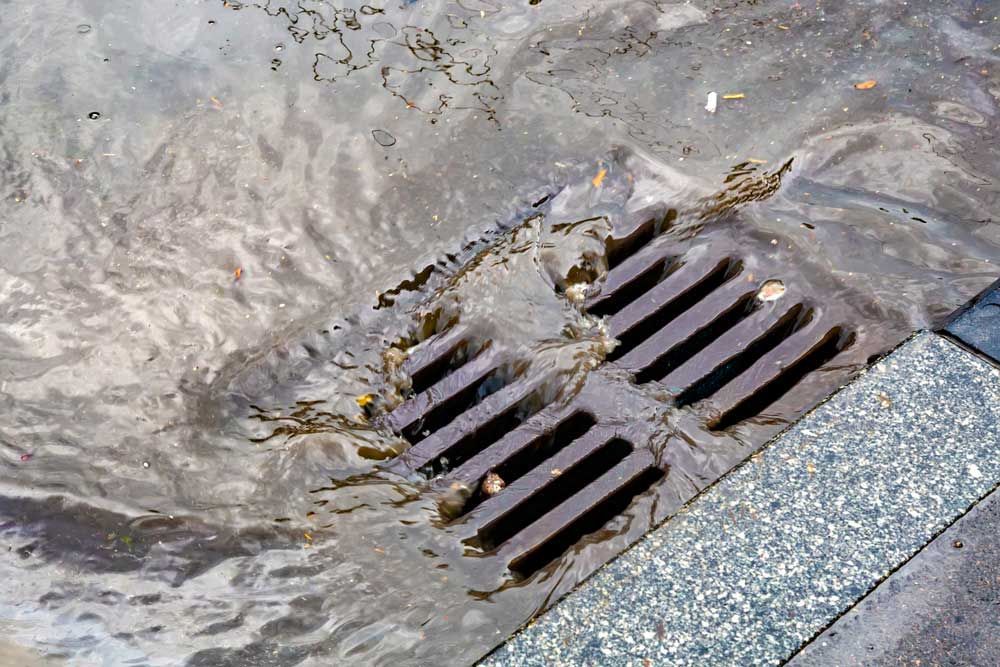
Heavy rain can overwhelm drainage systems when water cannot flow away from the property properly. Common problems include pooling water, flooded yards, overflowing stormwater drains, soil erosion, and water entering garages or foundations. Poor drainage may also weaken landscaping and damage concrete surfaces over time. Professional drainage solutions can help redirect excess water and protect homes from long-term structural damage. Regular inspections and maintenance are especially important before storm seasons to ensure stormwater systems remain clear and functioning correctly.
How do drainage services help prevent water damage?
Drainage services help move excess water safely away from buildings, landscaping, and underground foundations. Proper drainage reduces the risk of water pooling around homes, which can lead to cracked foundations, mould growth, and structural deterioration. Drainage systems may include stormwater pipes, surface drains, trench drains, and underground solutions designed for specific property conditions. Professional drainage planning can also improve yard usability and prevent ongoing erosion problems. Maintaining an effective drainage system is one of the best ways to protect residential and commercial properties from avoidable water damage.
What is involved in a professional drainage inspection?
A professional drainage inspection typically involves checking stormwater systems, underground pipes, and drainage infrastructure for blockages, leaks, or damage. Many plumbers use CCTV drain cameras to inspect pipes internally and identify hidden issues without unnecessary excavation. Drainage inspections can reveal tree root intrusion, pipe misalignment, corrosion, and debris build-up affecting water flow. These inspections are often recommended when properties experience recurring drainage issues or before major renovations begin. Early inspections help identify small problems before they lead to expensive drainage repairs or flooding concerns.
When should drainage pipes be repaired or replaced?
Drainage pipes may need repairs or replacement when there are signs of persistent leaks, recurring blockages, slow drainage, foul odours, or water pooling around the property. Older pipes can crack, corrode, or collapse over time, especially when affected by shifting soil or tree root intrusion. Professional drainage inspections can determine whether repairs, pipe relining, or full pipe replacement is the best option. Addressing damaged drainage pipes early can help avoid larger excavation costs and prevent more serious property damage in the future.